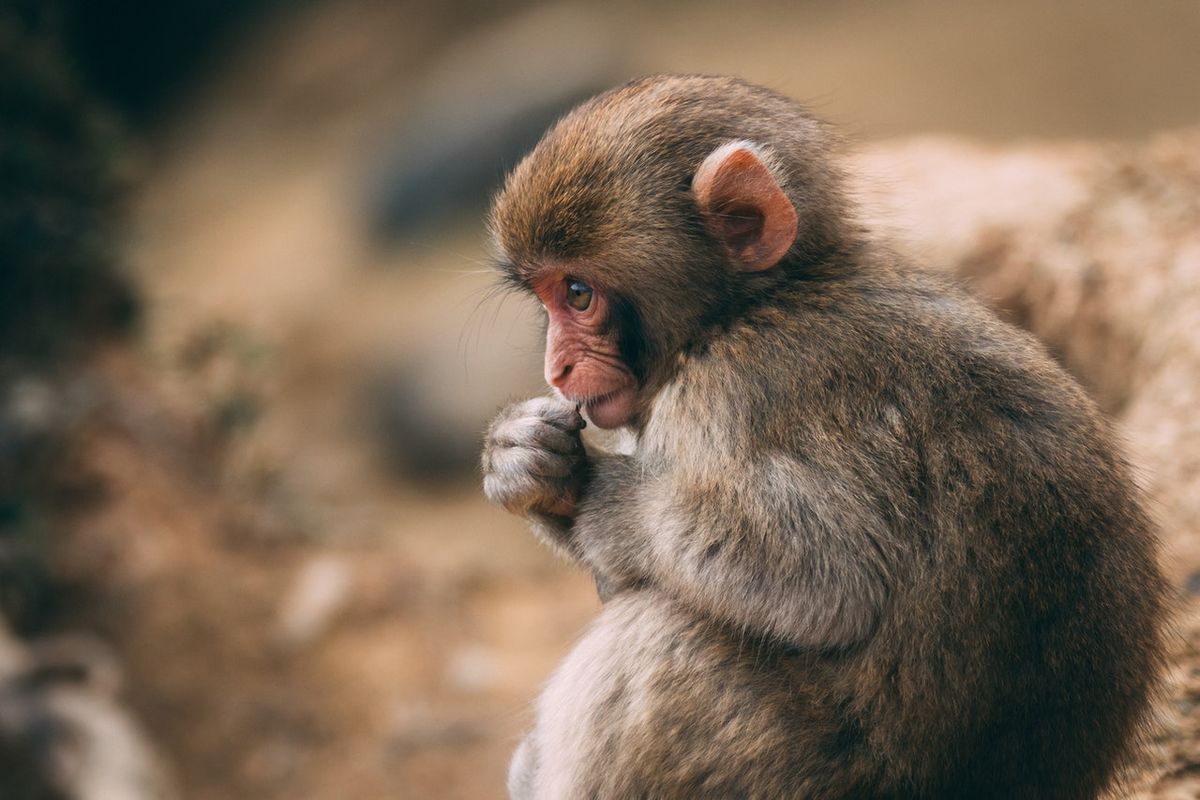
Short answer: In most of the world you can't keep a monkey as a pet, or you can only do it with a permit that is hard to get. A handful of US states still allow it with few rules. England now requires a zoo-standard licence (since April 6, 2026), and Australia and British Columbia effectively ban pet primates.
Laws change often in this area, so always check with your local wildlife agency or council before you buy or bring home any primate.
Quick answer by country
United States
There is no federal ban on pet monkeys yet. The Captive Primate Safety Act, which would ban the private pet trade nationally, has been reintroduced in Congress (H.R. 3199 / S. 1594) but has not become law. Federal law still matters at the border: importing primates for the pet trade has been banned by the CDC since 1975, and the Lacey Act makes it a crime to move wildlife taken or sold in violation of state law.
That leaves the states, and they fall into three groups:
- Banned for private pet ownership. Many states, including California, Colorado, Connecticut, Georgia, Massachusetts, New York and Washington, prohibit keeping primates as pets. Exceptions usually cover zoos, research facilities and sometimes licensed sanctuaries.
- Allowed with a permit. Some states let you keep certain species if you get a permit, meet caging standards and sometimes carry liability insurance. Florida, for example, classes primates by size and danger and requires permits from the Florida Fish and Wildlife Conservation Commission.
- No statewide ban. A few states, such as Nevada and Wisconsin, have no statewide law against pet monkeys. Even there, counties and cities often ban them, so "no state law" does not mean "legal where you live."
Canada
Canada has no national ban. The rules come from provinces and cities:
- British Columbia lists primates as "controlled alien species," and you can't keep one as a pet without a permit, which is not issued for pets.
- Ontario has no province-wide ban on most primates, but many cities do. Toronto's Animals bylaw (Municipal Code Chapter 349) prohibits keeping primates.
- Other provinces control exotic animals through their wildlife acts, with rules that vary by species.
Before buying, check both your provincial wildlife ministry and your municipal bylaws. A legal purchase in one province can still be illegal to keep in your city.
England and the rest of the UK
England changed its law in 2026. Under the Animal Welfare (Primate Licences) (England) Regulations 2024, it has been an offence since April 6, 2026 to keep a primate without a licence from your local council. To get one, you must meet zoo-level standards for housing, diet, social contact and veterinary care, and keep records.
Breaking the rules can mean an unlimited fine, losing the animal, or up to six months in prison. Larger species also need a licence under the Dangerous Wild Animals Act 1976. Scotland, Wales and Northern Ireland have their own rules, so check locally if you live there.
Australia
Australia does not allow primates as pets. They can't be imported for the pet trade, and state wildlife laws restrict keeping them to licensed zoos and research facilities.
Europe
There is no single EU rule. Some countries use "positive lists," which name the only species people may keep as pets; anything not on the list is banned. Belgium's list does not include primates. Other European countries regulate primates through dangerous-animal or animal-welfare laws, and several are moving toward bans. If you live in Europe, check your national government's animal welfare authority.
Japan
Japan's Act on Welfare and Management of Animals lists many primates (including macaques, baboons and great apes) as "specified animals." Since a 2020 amendment, people can no longer keep specified animals as pets. Some small species, such as marmosets, are not on the list, but local rules still apply.
Brazil and India
Brazil: Keeping native wild animals is illegal without authorization. Some species, such as marmosets and capuchins, can be bought legally only from breeders licensed by environmental authorities, with an invoice and registration for the animal.
India: Native monkeys such as rhesus macaques are protected under the Wildlife (Protection) Act, 1972, and can't be kept as pets.
Why most places restrict pet monkeys
Primates carry diseases that can pass to people, including herpes B virus from macaques, which can be fatal. They can bite hard, especially once they reach maturity. They also need social contact with their own species, so a single monkey kept alone in a home often develops behaviour problems. These risks are why lawmakers keep tightening the rules.
Before you get a monkey
- Check your state, provincial or national wildlife agency for a permit requirement.
- Check your city or county bylaws, which can be stricter than state law.
- Confirm the seller has legal paperwork for the animal's origin.
- Find an exotic-animal vet nearby before you commit.
- Plan for 20 to 40 years of care, depending on the species.
Sources

 Animal Law