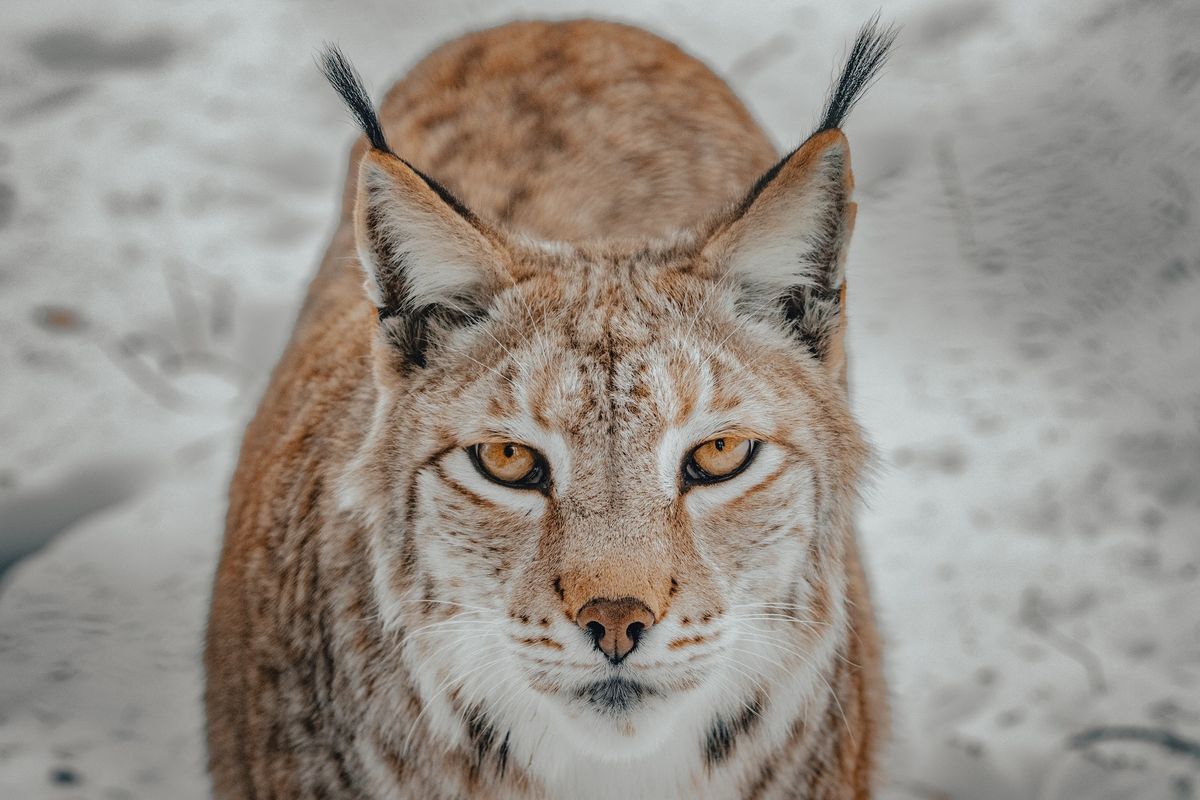
Short answer: In most places, no, or only with a hard-to-get permit. Some US states allow privately owned lynx or bobcats with a permit, many ban them, and a few have few rules. In Canada, native lynx are protected wildlife. In the UK you need a Dangerous Wild Animals licence. In Australia, it's effectively impossible.
Lynx are medium-sized wild cats (Canada lynx and Eurasian lynx are the species most people mean; the bobcat is a close relative). They aren't domesticated, and laws treat them as wild or dangerous animals.
United States
Federal law: The Big Cat Public Safety Act (2022) bans private ownership and breeding of lions, tigers, leopards, cheetahs, jaguars, cougars and their hybrids. Lynx and bobcats are not covered, so the rules come from states. Federal law still applies to moving wildlife across state lines (the Lacey Act) and to exhibiting animals (the Animal Welfare Act).
State law: States fall into three broad groups:
- Banned: Several states prohibit private ownership of wild cats, including lynx. California, for example, restricts importing and keeping wild felids, and New York bans wild cats as pets except for licensed facilities.
- Permit required: Many states allow lynx or bobcats with a wildlife or exotic animal permit, which can require caging standards, inspections and sometimes insurance or experience.
- Few or no state rules: A small number of states have little regulation of small exotic cats. Even there, counties and cities often ban dangerous or exotic animals.
Because these laws change often and vary by county, contact your state wildlife agency and your local government before getting a lynx.
Canada
Canada lynx are native wildlife. Provinces generally prohibit keeping native wild animals in captivity without a licence, and these licences aren't issued for pets. In Ontario, for example, the Fish and Wildlife Conservation Act, 1997 restricts keeping furbearing mammals (which include lynx) in captivity. British Columbia and other provinces have similar rules, and many cities ban exotic and wild animals outright.
United Kingdom
Lynx are listed under the Dangerous Wild Animals Act 1976. You can only keep one with a licence from your local council, which requires secure housing, an inspection by a vet, insurance, and fees. Licences for private pet lynx are rare.
Australia
Australia does not allow lynx to be imported or kept as pets. Strict biosecurity laws prohibit importing exotic cats outside of approved zoos.
Why it's so restricted
- They're wild animals. Lynx are territorial and strong, with powerful bites and claws. Even hand-raised lynx can become dangerous as adults.
- Care needs are huge. They need large, secure outdoor enclosures, a raw meat diet and specialist vets.
- Welfare and conservation. Exotic pet trade can harm wild populations, and captive cats often suffer when owners can't cope.
Alternatives
If you love wild cats, consider supporting an accredited sanctuary, or look at domestic cat breeds with wild looks, like the Maine Coon or the Pixie-Bob. Hybrids such as Savannahs and Bengals have their own legal restrictions in some places, so check first.
Sources

 Animal Law