 Criminal Law
Assault vs. Battery: What's the Difference?
"Assault and battery" sounds like one crime, but it's two ideas. And in Canada, "battery" isn't even a criminal charge. Here's how it works in the US, Canada, the UK and Australia.

Hidden cameras, upskirting, peeping through windows. Here's what counts as voyeurism, and how Canada, the US, the UK and Australia punish it.
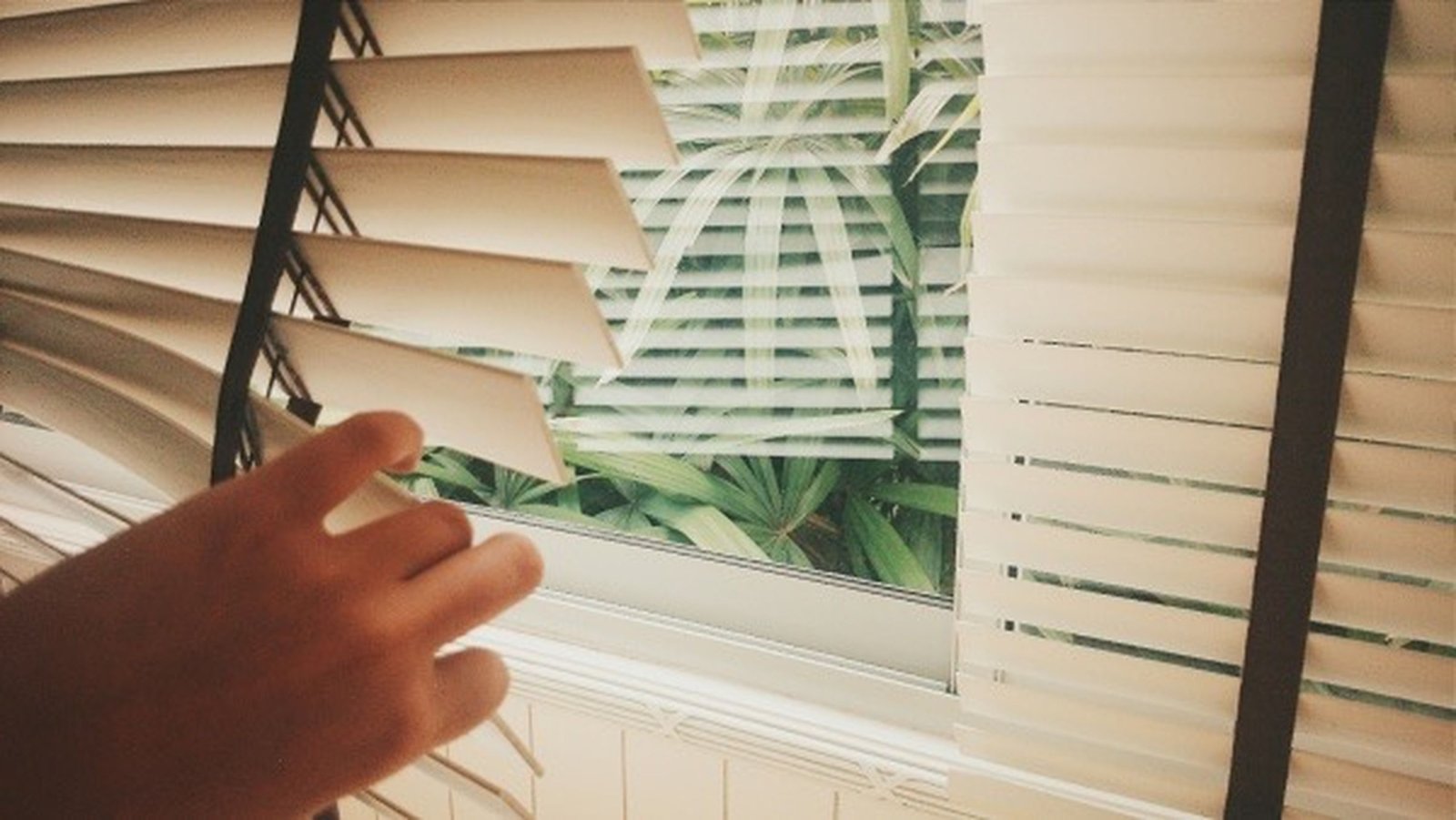
Most people picture voyeurism as the old-fashioned "peeping Tom" outside a bedroom window. The law has moved well past that. Today, most cases involve phones and hidden cameras: a camera tucked into an Airbnb bathroom, a phone held under a skirt on an escalator, a pen camera in a classroom.
So, is voyeurism a crime? Yes, in Canada, the US, the UK and Australia. The details differ, but the core idea is the same everywhere. Secretly watching or recording someone in a situation where they'd reasonably expect privacy, usually for a sexual purpose, is a criminal offence. Serious cases can mean prison and a spot on a sex offender registry.
Voyeurism laws generally cover a few kinds of behaviour:
Two ideas show up in almost every law. The first is a reasonable expectation of privacy: was the person somewhere, or in a situation, where they'd expect not to be watched or filmed? The second is consent. If the person agreed, it generally isn't voyeurism. If they had no idea, it usually is.
Some laws also require a sexual purpose. Others cover recording done to humiliate or distress someone, or recording someone nude without consent whatever the motive.
Yes. Voyeurism has been a specific offence under section 162 of the Criminal Code since 2005. It covers secretly observing or recording someone who has a reasonable expectation of privacy where they're in a place where nudity or sexual activity is expected, they're nude or engaged in sexual activity, or the observing or recording is done for a sexual purpose. Distributing those recordings is a separate offence.
It's a hybrid offence, so the Crown chooses how to proceed. By indictment, the maximum is five years in prison. Summarily, it's up to two years less a day and a $5,000 fine.
The leading case is R v Jarvis (2019). An Ontario high school teacher used a camera hidden in a pen to secretly record female students, focusing on their faces and chests, in classrooms and hallways. Two lower courts acquitted him, partly because the students were in common areas of the school. The Supreme Court of Canada unanimously disagreed and found him guilty, ruling that students reasonably expect not to be secretly recorded by a teacher, even in a hallway.
That decision matters well beyond schools. Being in a public or semi-public place doesn't mean you've given up all privacy.
Yes, though the specifics depend on the state. Every state has some kind of voyeurism, "peeping Tom" or unlawful surveillance law, and they differ a lot in what they cover and how hard they hit.
California is a good example. Under Penal Code 647(j), it's a misdemeanor to use a device to look into a private room, to secretly record under someone's clothing for sexual arousal, or to secretly record someone in a private place like a bathroom or changing room. A first offence carries up to six months in county jail and a fine of up to $1,000. A repeat offence, or one involving a minor, can bring up to a year and $2,000.
At the federal level, the Video Voyeurism Prevention Act of 2004 makes it a crime to capture images of someone's private areas without consent where they expect privacy. It only applies on federal property, such as military bases and national parks, and carries up to one year.
Many states go further for aggravated cases, and some require people convicted of voyeurism to register as sex offenders.
Yes. In England and Wales, voyeurism is an offence under section 67 of the Sexual Offences Act 2003. It covers watching someone doing a private act for sexual gratification, recording it so others can watch, and installing equipment to do either.
Upskirting became its own offence in April 2019 after a high-profile public campaign. Under section 67A, it's a crime to operate equipment beneath someone's clothing to view their genitals or buttocks without consent, either for sexual gratification or to humiliate, alarm or distress them. It doesn't matter whether an image was actually saved. According to the Crown Prosecution Service, the maximum is two years in prison, and offenders can be placed on the sex offenders register when the motive was sexual.
Yes, under state and territory law. New South Wales has a set of specific offences in its Crimes Act. Voyeurism (section 91J), meaning watching someone in a private act for sexual arousal without consent, carries up to two years, rising to five if the victim is under 16 or the offender altered a building to do it. Filming a private act (section 91K) has the same structure. Recording an intimate image without consent (section 91P) carries up to three years.
NSW even keeps an old "peeping or prying" offence for hanging around a building intending to look in. Other states and territories have similar laws with penalties in a similar range.
A voyeurism conviction can follow someone long after the sentence ends. Depending on the country and the facts, it can lead to sex offender registration and a criminal record that shows up on background checks, especially for jobs involving children or vulnerable people. Any phones, cameras or computers used are usually seized.
Sharing the footage makes things worse. Distributing voyeuristic recordings or intimate images without consent is a separate crime in all four countries, often with higher penalties than the recording itself.
If you find a hidden camera, or learn someone recorded you, don't confront the person and don't destroy anything. If it's safe, photograph the device where you found it and report it to police. If it happened in a rental like an Airbnb, report it to the platform as well.
If images have been posted online, most major platforms have reporting tools for non-consensual intimate images. Free services like StopNCII.org can also help stop them spreading.
If you've been wondering "is voyeurism a crime," the answer in all four countries is a firm yes. The maximum penalties range from a year in US federal cases to five years in Canada and aggravated NSW cases, and the long-term fallout from registration and a criminal record can be even harder to live with.
This article is for general information only and isn't legal advice. If you've been charged, or you're a victim, speak to a lawyer or contact police where you live.
Criminal Law"Assault and battery" sounds like one crime, but it's two ideas. And in Canada, "battery" isn't even a criminal charge. Here's how it works in the US, Canada, the UK and Australia.
 Criminal Law
Manslaughter isn't murder, but it isn't an accident either. Here's the difference between voluntary and involuntary manslaughter, and the penalties in Canada, the US, the UK and Australia.
 Criminal Law
A debt collector mentions legal action and suddenly you're picturing handcuffs. Here's what can and can't happen if you stop paying your credit card in Canada, the US, the UK and Australia.