Collection calls have a way of making people panic. A voice on the phone mentions "legal action," a letter says "final notice," and suddenly you're picturing a police officer at the door. So let's clear it up: can you go to jail for not paying credit card debt?
No. Not in Canada, the US, the UK or Australia. Owing money to a bank is a civil matter, not a crime, and debtors' prisons for ordinary consumer debt are long gone in all four countries.
There are, however, a couple of narrow ways people end up behind bars in a debt case. They're worth knowing so you don't stumble into one.
Why Not Paying Credit Card Debt Isn't a Crime
A credit card is a contract. You borrow, you agree to repay, and if you don't, the bank's remedy is to sue you. Criminal law only gets involved when someone is dishonest, not when someone is broke.
That's the key line, and it's drawn in the same place in all four countries. Losing your job and missing payments is a civil problem. Applying with fake income details, using a stolen identity, or maxing out a card with no intention of ever paying is fraud.
What Creditors Can Actually Do
If you stop paying, the usual sequence looks something like this:
- Fees and interest pile on, and your credit score takes a hit within a month or two.
- The account goes to collections, either an internal team or an outside agency that manages or buys the debt.
- The creditor sues you in civil court. If you don't respond, they usually win by default.
- They enforce the judgment, which can mean garnishing your wages, freezing a bank account or putting a lien on property.
None of that involves jail. It can still do real damage, though, and a court judgment is far harder to deal with than a phone call.
The Two Ways People Actually End Up in Jail
Skipping court after a judgment
This is the big one, and it's mostly a US problem. After a creditor wins, many states let them haul you back to court for a hearing where you answer questions about your income and assets under oath. That hearing isn't optional.
Miss it, and the judge can issue what's called a body attachment, which works like an arrest warrant. Illinois Legal Aid explains that this is the main reason people believe you can be jailed over debt, and reporting in Illinois and Missouri has documented people being picked up on these warrants over fairly small balances, sometimes during routine traffic stops.
Technically, those people weren't jailed for the debt. They were jailed for ignoring a court order. That distinction won't feel very comforting in a holding cell.
Fraud
If the debt was created dishonestly in the first place, it's a different story. Credit card fraud is a crime in all four countries, and the bank can sue you on top of any criminal charge.
Not Paying Credit Card Debt: Canada, US, UK and Australia
Canada. Credit card debt is governed by provincial law. In Ontario, creditors generally have two years from your default to sue, and a payment or written acknowledgment can restart that clock. Alberta, B.C. and Saskatchewan are also two years, while several other provinces allow longer. Unpaid debts typically stay on your Canadian credit report for about six years. Once a creditor has a judgment, they can garnish wages, within limits.
United States. Limitation periods are set by each state and commonly run three to six years for credit card debt. Negative accounts generally stay on your credit report for seven years under the Fair Credit Reporting Act. The body attachment risk described above is real in some states, which is why court papers should never go in the drawer.
United Kingdom. Creditors in England and Wales generally have six years to start court action under the Limitation Act 1980. If they win, you'll get a County Court Judgment (CCJ). Prison for ordinary consumer debt is a thing of the past. England does still allow jail as a last resort for wilful refusal to pay council tax, which isn't credit card debt but sometimes gets mixed up with it online.
Australia. No jail for consumer debt here either. Limitation periods are six years in most states, and a default usually sits on your credit report for five years. Creditors can sue and enforce judgments through garnishee orders, and bankruptcy exists as a last resort.
The Collector Said I'd Be Arrested. Is That Allowed?
Generally not. Threatening arrest over a debt is exactly the kind of tactic collection laws exist to stop. In the US, the Fair Debt Collection Practices Act bars collectors from falsely implying you'll be arrested. Ontario's Collection and Debt Settlement Services Act sets rules on how agencies can contact you, and the UK and Australia have their own regulators and codes.
If a collector threatens you with jail, write down the date, time and name. You can report it to your provincial consumer protection office in Canada, the Consumer Financial Protection Bureau in the US, the Financial Conduct Authority in the UK, or ASIC in Australia.
Honestly, if someone on the phone is threatening jail over a credit card balance, there's a decent chance it's a scam and not a real collector at all. Verify the debt in writing before you pay anything.
What to Do If You Can't Pay
Ignoring the problem is the one choice that reliably makes it worse.
Call your card issuer early, ideally before you fall behind. Many have hardship programs that lower the interest rate or pause payments for a few months.
Talk to a non-profit credit counsellor. In Canada, a Licensed Insolvency Trustee can also walk you through a consumer proposal or bankruptcy, and similar options exist in the other three countries.
Be careful with very old debts. In some places, making even a small payment or acknowledging the debt in writing can restart the limitation period.
And if you're ever served with court papers, respond. If a court orders you to appear, go. That's the real lesson here: not paying credit card debt won't send you to jail anywhere in Canada, the US, the UK or Australia, but ignoring the court can.
This article is for general information only and isn't legal or financial advice. If you're being sued over a debt, speak to a lawyer, paralegal or credit counsellor where you live.


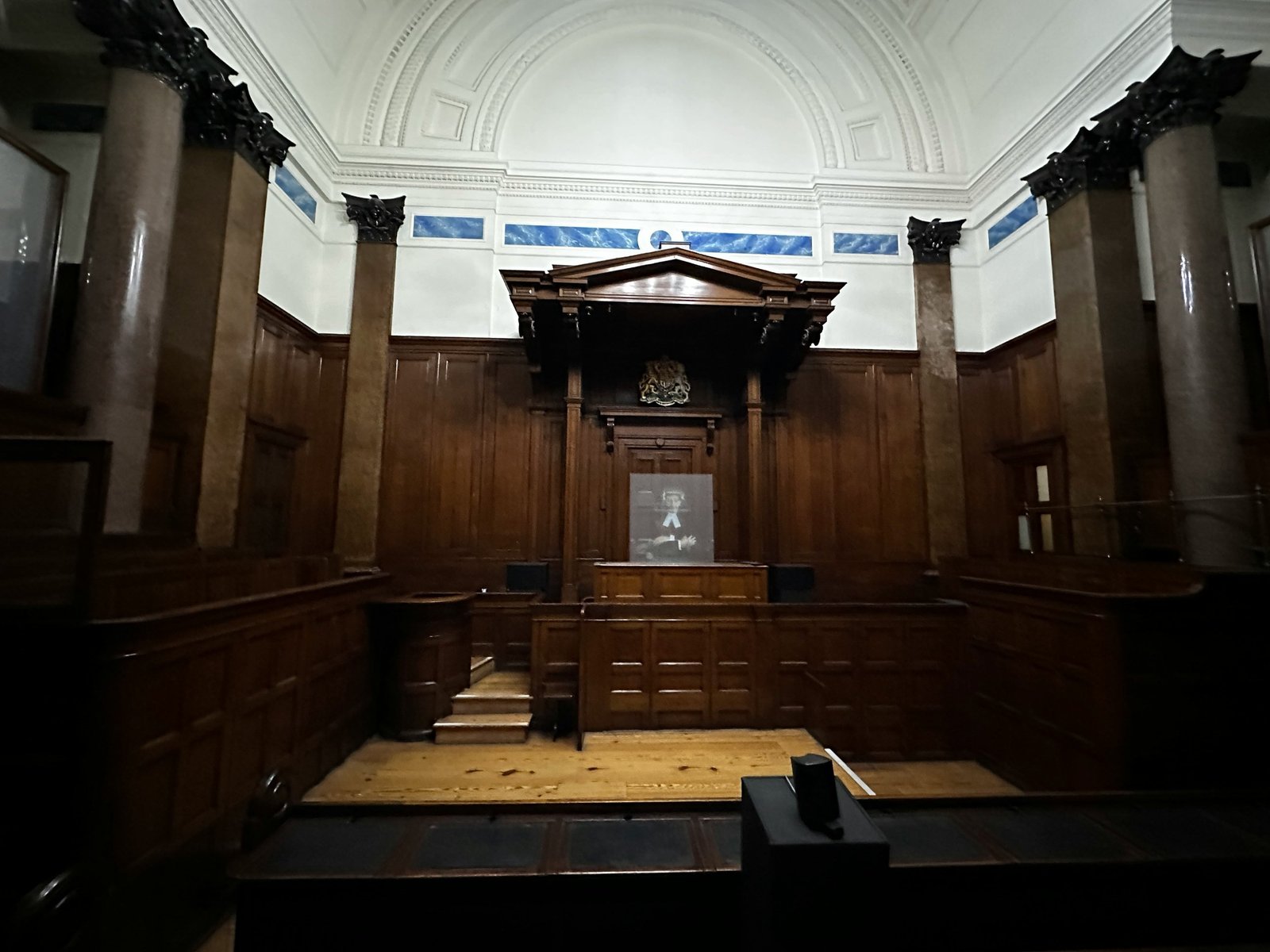 Criminal Law