Almost everyone has polished a resume. A job title gets a little shinier, a six-month gap quietly disappears, and "familiar with Excel" becomes "advanced Excel." So it's a fair question: at what point does lying on your resume stop being a career risk and start being a crime?
The answer surprises people. In most places, a resume lie by itself won't land you in jail. But once the lie is used to get paid, or it's backed up with fake documents, it can be prosecuted as fraud in Canada, the US, the UK and Australia. And people have been sent to prison for it.
Is Lying on Your Resume Illegal?
There's no law in any of these four countries that says "it is an offence to exaggerate your resume." What exists instead are general fraud and forgery laws, and those don't care whether the lie was on a resume, a loan application or a used car ad.
Fraud generally needs three ingredients:
- A false statement you know is false, like a degree you never earned or a job you never held.
- Dishonesty, meaning you said it to deceive someone, not by honest mistake.
- A gain or a loss, such as a salary, a promotion or a contract you got because of the lie.
That third piece is why most fudged resumes never become criminal cases. Saying you "led" a project you only helped on is nearly impossible to prosecute. Inventing a nursing licence to land a hospital job is not.
The Law Country by Country
United Kingdom
The UK is the strictest of the four, at least on paper. Lying on a CV can count as fraud by false representation under the Fraud Act 2006, which carries up to 10 years in prison. The UK's fraud prevention service, Cifas, has warned graduates that even inflating grades can fall under it.
It's not just theory, either. In 2017, Jon Andrewes, a former NHS executive earning around £100,000 a year, was jailed for two years after it came out that he'd claimed two PhDs he didn't have. He'd held senior roles for over a decade on the back of that CV, and the UK Supreme Court later ruled that part of his earnings could be confiscated. Earlier, an NHS administrator named Rhiannon Mackay was jailed for 24 weeks for claiming A-levels she didn't have and forging a reference and a Royal Navy discharge certificate.
Australia
Australia's most famous case reads like a movie plot. Veronica Theriault landed a chief information officer job with South Australia's Department of the Premier and Cabinet, paying $270,000 a year, using a resume with false education and work history. When the department called her referee, it was actually Theriault on the phone, pretending to be that person and giving herself glowing feedback. Her LinkedIn photo was reportedly a picture of model Kate Upton.
She lasted just over a month. She pleaded guilty to deception, dishonesty and abuse of public office and was sentenced to 25 months in prison, with a one-year non-parole period.
United States
The US is a patchwork. Federally, lying on a government job application or security clearance form can be charged as making a false statement under 18 U.S.C. § 1001. For private jobs, it depends on the state.
A handful of states go after fake degrees specifically. Texas Penal Code § 32.52 makes it an offence to use or claim a fake, substandard or revoked degree to get a job or a promotion. Washington has a similar law on false academic credentials (RCW 9A.60.070). Everywhere else, a prosecutor would have to fit the case into general fraud or theft laws, which usually only happens when the lie involves a licensed profession, public money or forged documents.
Canada
Canada doesn't have a resume-specific offence either. The Criminal Code's fraud section (section 380) and its forgery provisions could apply if someone used fake documents, like a forged diploma or reference letter, to get a job and a paycheque. Prosecutions are rare, and most Canadian resume disputes end up in employment law instead.
What Usually Happens Instead of Jail
Here's the realistic picture. For most people caught in a resume lie, the consequences are about the job, not a courtroom.
You can be fired, often without notice or severance. In Canada, where employers normally have to give reasonable notice or pay in lieu, a serious misrepresentation about qualifications can justify firing for cause. In most US states, employment is at-will anyway, so the employer barely needs a reason.
The offer can be pulled, even after you've started. A survey by the UK's Chartered Institute of Personnel and Development found about a quarter of employers had withdrawn a job offer after finding a lie in an application.
Your professional licence can be on the line. Nurses, engineers, accountants and lawyers who misstate credentials face discipline from their regulators, and that can be worse than a fine.
Our view: the jail stories make headlines, but the quieter risk is that background checks keep getting better. Degree verification is cheap and fast now, and a lie that got you through the door can still cost you the job five years later.
Exaggerating vs. Lying: Where's the Line?
There's a real difference between framing and fabricating.
Describing your work in the strongest honest terms is fine. So is leaving off a short, irrelevant job, or listing dates by year as long as you're consistent.
Claiming a degree, certification or licence you don't have is not. Neither is inventing an employer or job title, asking a friend to pose as a reference, or editing a transcript, diploma or pay slip.
That last group is where things go from "fireable" to "chargeable," because creating a fake document can be forgery on its own, separate from the lie on the resume.
If you're tempted, ask one question: could this claim be checked with a single phone call or email? If it could, and it would fail, leave it off.
The Bottom Line on Lying on Your Resume
In all four countries, the rule is the same in spirit. A resume isn't a sworn statement, so a bit of puffery won't put you behind bars. But lying on your resume to get a job you couldn't otherwise get, especially with forged documents or fake references, can be prosecuted as fraud, and the UK and Australian cases show courts are willing to hand out real prison time for it.
This article is for general information only and isn't legal advice. If you're facing an investigation or a dismissal, speak to a lawyer where you live.


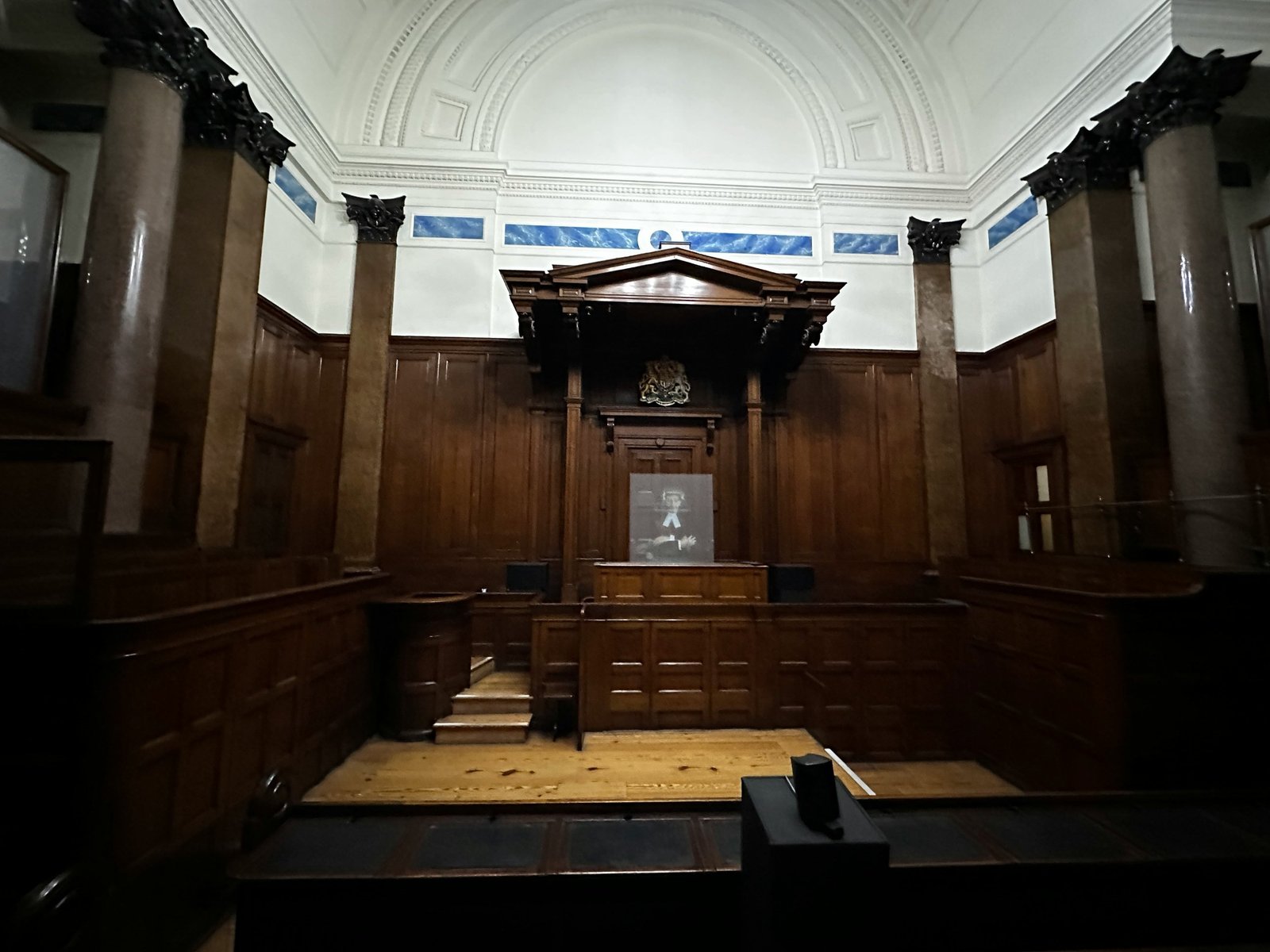 Criminal Law